40 Years Rafting The Franklin River
An anniversary to remember
In November 1978, a dream to paddle down unchartered waters through the pristine Tasmanian wilderness on a little-known river by five inexperienced people in a basic raft began our own 40-year adventure for helping adventurous travellers raft down the mighty Franklin River.
This was an adventure, like no other - how to get a commercially sized raft down the Franklin River for the first time and come out of the white wash unscathed. There was no planning besides the raft being transferred from Sydney with barrels packed with life jackets and supplies. The group had less than 24 hours’ notice to prepare for this daunting expedition. The journey down the river took seven days with the rapids intense. The magnificent wilderness provided the group with seclusion where they didn’t see any other humans for most of the expedition – a feature that exists to this day and a major drawcard of this true wilderness experience.
Aboard the first commercial descent of the Franklin for World Expeditions was Lincoln Hall, the well-regarded mountaineer who soon after was part of the first Australian team to climb Mount Everest in 1984 and Garry Weare, soon to be Lonely Planet author for Trekking in the Indian Himalaya. Only one of the five had been in a raft before. Since this first trip World Expeditions have had the privilege of taking thousands of people rafting down the famed Franklin River. While the scenery has remained unchanged, a source of pride for our team who strictly adhere to leave no trace principles, the rafts have revolutionised with the times, the food is more varied, the camping equipment more comfortable and the guides very experienced. There are no day trips on the Franklin. The only way to experience the magical wilderness along the river without completely immersing into is a trip, a reason why it was named as the world’s best river journey by Outside Magazine in 2012.
But it almost didn’t happen. During the late 70’s the Franklin River was shrouded in a political campaign that would have destroyed its unspoilt location. A dam was proposed, the largest of its type in the southern hemisphere at 100-metres high and would fatally destroy the surrounding forest as it flooded 25 kilometres of the rivers length. A controversial federal election swung seats on the mainland due to the Tasmanian project. Voters took notice on who to vote for based on the candidate’s stance on the proposal. Historically, it was the most momentous environmental campaign in Australian history. Shortly after being elected prime minister Bob Hawke declared “The dam will not be built”.
At loggerheads, the local Tasmanian government disagreed with the blocking of the planned dam and continued to ignore the regulations and legislation. It ended up in the High Court where the court ruled in favour of the federal government’s stance on saving the dam. To this day, no dam has been constructed along the Franklin River.
During this period some operators chose to use the Mt McCall road to access shorter trips on the Franklin. The road was a scar through World Heritage Wilderness and built by those supporting the damming of the Franklin. World Expeditions chose purpose over profit when it decided to never use the road for shorter Franklin River rafting trips and only offer the full-length expedition.
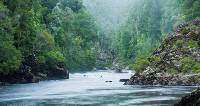
Those that have rafted this now legendary river can all thank the individuals involved in the Franklin campaign, like Geoff Law when they come to appreciate the pristine hinterland and its rugged winding river through Tasmania’s South Western Highlands. It is where you will find the last of Australia’s wild rivers, Myrtle-Beech and Huon Pine trees, stunning gorges, side canyons, platypus, Tasmanian Devils and rare bird species such as the Pink Robin who is the only one type of the four Tasmanian robins to live in a rainforest.
The inaugural commercial expedition down the Franklin River in 1978, captivated the group who ultimately helped it become accessible to other travellers. Garry’s reflection on the adventure taught him a great respect for the river and it was easy to understand why the conservation leader Bob Brown and the community were prepared to do whatever it took to block the dam proposal.